CFP exam quick summary:
- Exam: 170 multiple-choice questions over 6 hours (2 x 3-hour sessions)
- Fees: $825-$1,025 per attempt depending on registration timing
- US CFP pass rate: 67% (Mar 2026), stable range of 62%-68% since 2022
- Study time: 200-250 hours (in addition to coursework requirement)
- Offered: 3 times a year in March, July and November
- Requirements: bachelor’s degree, CFP coursework, 6,000 hours experience, ethics
- Available in 29 countries via FPSB; 236,300+ CFP professionals globally as of Dec 2025
Best for: financial planners, wealth managers, and advisors targeting client-facing financial planning roles.
If you’re considering a career in finance, financial planning may be an ideal career path as it offers a great work life balance, decent salary with interesting, client-focused analytical work. It’s a big growth area too, with global demand for financial planning expected to grow faster than average in the next 5 years.
In essence, financial planners are advisors who will look at the ‘big picture’ of your finances, understand your life goals, then use their expertise (in budgeting, taxes, pensions and investments) to create a financial roadmap to achieve those goals.
One way to start a financial planning career is via the globally recognized Certified Financial Planner (CFP) certification, which is currently available in 29 countries worldwide.
Although this article focuses mainly on the CFP certification in United States, global data are included whenever possible, with a summary at the end for countries outside US.
Let’s take a look!
Popular articles:

Best CFP Study Materials

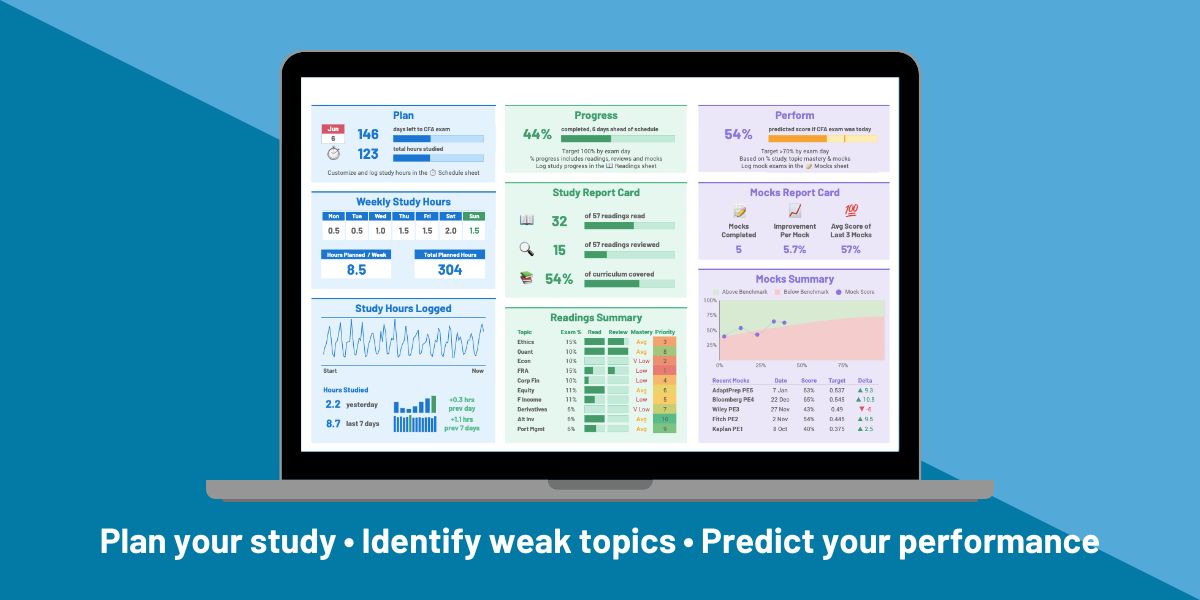
Free CFP Study Planner

CFP Exam Dates

CFP Pass Rates

CFP Requirements

How to Focus When Studying

CFP vs CFA

All CFP articles
What is CFP certification?

Certified Financial Planner (CFP) is a global professional certification specializing in financial planning. It is offered by the CFP Board in the US, and Financial Planning Standards Board (FPSB) covers outside the US (currently 29 countries).
The first CFP exam was held in 1973. Since then, hundreds of thousands of candidates worldwide have registered for the program. As of Dec 2025, there are currently more than 236,600+ CFP professionals globally, mainly in the Americas and Asia Pacific regions.

Overall, there is strong global demand for the CFP certification. Since 2018, CFP professionals have grown from 181,360 to 236,300 – an annual growth rate of 3.9% per year, with 29 territories now part of the FPSB network.
However, the growth is quite fragmented and concentrated in a few countries. Here are the top 14 countries with the more than 2,000 CFP professionals at the end of 2025:
| Countries | Number of CFP professionals as at Dec 2025 |
|---|---|
| US | 107,529 |
| China | 32,599 |
| Japan | 27,786 |
| Canada | 17,446 |
| Brazil | 11,425 |
| South Africa | 5,079 |
| Australia | 4,268 |
| Taiwan | 4,055 |
| India | 3,534 |
| Hong Kong | 3,386 |
| South Korea | 3,192 |
| Indonesia | 2,908 |
| Malaysia | 2,858 |
| Netherlands | 2,818 |
And here are the top 4 countries with the highest growth in number of CFP professionals vs last year:
| Countries | Number of CFP professionals vs 2024 (% growth) |
|---|---|
| US | +4,436 (+4%) |
| Taiwan | +805 (+3%) |
| Brazil | +791 (+7%) |
| Taiwan | +757 (+23%) |
While CFP is targeted at those interested in the financial planning industry, the range of jobs within that industry is quite broad. CFP professionals work in a broad range of jobs, such as personal financial planners, client service advisor, wealth management advisor, financial analyst, investment manager or portfolio manager.
For those who prefer a less client-facing role, there are plenty of options to work in investments, operations, research and analysis to support their client’s financial needs too.
Related articles:

CFP Exam Cost

CFP Salaries

CFP Career Paths

Financial Planner Career Path
CFP exam details, summarized

The CFP certification consists of a one level computer-based examination with 170 multiple choice questions over 6 hours:
- The exam itself is split into 2 sections, each containing 85 questions lasting 3 hours long. There is a 40 minutes scheduled break between 2 sections.
- The exam includes stand-alone and scenario-based questions, as well as questions associated with case studies. You can check out 10 CFP sample questions here.
In the US, the CFP exam is offered three times per year: March, July and November. Test topics include the financial planning process and principles, tax planning, income and retirement planning, estate planning, risk management and insurance.
The exams are computer-based, administered either in-person at test centres or remotely proctored.
Only the following CFP-approved calculators can be used in the exam:
- Hewlett Packard 10b, 10bII, 10bII+, 17bII+, HP12C, HP12C Platinum;
- Texas Instruments BA II Plus, BA II Plus Professional, BA II Plus (Business Analyst);
- Sharp EL-733, EL-733a
In terms of study hours, candidates typically spend 200-250 hours preparing for the CFP exam. This is in addition to the coursework requirement, which typically takes 12-18 months to complete.
Unlike other professional designations such as CFA, FRM or CAIA, CFP candidates do receive their preliminary results immediately after completing the exam. Official results are sent via email approximately 4 weeks following the close of the testing window. The result is simply a pass or fail, but only candidates who fail are provided with a diagnostic report to better understand their topic strengths and weaknesses relative to a peer group.
Since 2012, there are limits placed on the number of attempts of CFP exam:
- 5 attempts maximum in a lifetime;
- 3 maximum attempts within a 2 year period. If a person fails 3 times within 2 years, the next attempt can only be occur after 3 exam administration has passed.
CFP pass rates since 2022 vs candidate volume (US only)

In the US, the latest March 2026 CFP exam pass rates is 67%.
The CFP exam began using a new exam blueprint in March 2022, and therefore pre-2022 exam performances are no longer comparable as they were based upon a different exam blueprint and minimum passing score.
Thus, since 2022’s new exam blueprint, CFP pass rates have been stable between 62%-68%, averaging 65% across the last 4 years. Check out our article on CFP pass rates in the US and globally to get a better sense of difficulty of the exam.
2025 was a record-breaking year for US CFP exams – 11,037 candidates sat for the exam across the three windows, the highest annual total ever recorded.
CFP exam topics and weights

In the US, CFP exams are based on 8 principal knowledge topics, which also serves as a framework for CFP Board’s coursework requirement and continuing education (CE) credits.
It contains a broad range of topics from ethics, regulation, finance concepts, risk management, insurance and financial planning strategies to full equip CFP candidates with practical, application-focused financial planning knowledge. The CFP exam focuses more on problem-solving and application, rather than recalling facts.
Here’s a quick summary of the latest CFP exam topic weights:
| CFP Principal Knowledge Topics List | Approximate Weighting |
|---|---|
| Professional conduct and regulation | 8% |
| General principles of financial planning | 15% |
| Risk management and insurance planning | 11% |
| Investment planning | 17% |
| Tax planning | 14% |
| Retirement savings and income planning | 18% |
| Estate planning | 10% |
| Psychology of financial planning | 7% |
We do recommend using third party CFP prep providers for education and review courses to increase your chances of passing the exam. Our best online CFP courses shortlist may help reduce your research time to find one that fits you best.
What are the CFP requirements?

In order to obtain the CFP qualification, here are the following requirements for the US market (aptly named “4 E’s”):
| CFP Requirement Type | Details |
|---|---|
| Education | 1) Minimum of bachelor’s degree in any subject from an accredited institution (either completed before passing CFP exam, or within 5 years of passing it); 2) Complete financial planning coursework through an accredited CFP program (must be completed before taking the exam, exemptions available from other qualifications); |
| Exam | 3) Pass the CFP exam; |
| Experience | 4) Complete either 6,000 hours of professional experience related to the financial planning process, or 4,000 hours of apprenticeship experience that meets additional requirements (this experience requirement can be fulfilled before or after passing the CFP exam); |
| Ethics | 5) Complete CFP’s ethics declaration and pass the background check. |
CFP exemptions

You can get your CFP certification faster via an Accelerated Pathway through bypassing the coursework requirement, if you have one of the following advance degrees or professional designations:
- Chartered Financial Analyst (CFA)
- Certified Public Accountant (CPA)
- Chartered Financial Consultant (ChFC)
- Chartered Life Underwriter (CLU)
- US Licensed Attorney
- Doctor of Business Administration
- PhD in Financial Planning, Finance, Business Administration or Economics
- CFP certification from outside the US (from the Financial Planning Standards Board, FPSB)
If you have one of the above additional qualifications, you’ll still need to do the following to qualify for your CFP mark:
- Submit your credential documentation to the CFP Board for the Accelerated Pathway;
- Instead of the regular coursework requirement, you’ll need to complete the Capstone course (a financial plan development course) if you currently don’t meet the CFP experience requirements, otherwise do the Capstone Alternative course.
- The other CFP requirements such as passing the CFP exam itself, meeting the education and experience requirements, plus ethics background check still apply.
How do you become a CFP: the path step by step

Becoming a CFP takes a minimum of around 2 years if you already hold a bachelor’s degree and move through coursework quickly, though most candidates take 3-5 years in total. The four requirements below can overlap rather than run one after another, which is the main way to shorten the timeline.
Step 1: Complete CFP Board-registered coursework
This typically takes 12-18 months. You can start exam prep before finishing coursework, and CFA charterholders and CPAs qualify for the Accelerated Pathway, which bypasses some coursework requirements.
Step 2: Pass the CFP exam
Most candidates spend 3-6 months on focused exam prep, on top of coursework, budgeting 200-250 study hours. See our CFP exam cost guide for the full fee breakdown, or browse CFP courses if you want structured prep.
Step 3: Log your experience hours
You need 6,000 hours of professional financial planning experience, or 4,000 hours through the apprenticeship pathway, roughly 3 years full-time. This can run before, during or after the exam, which is why it’s usually the longest-running of the four requirements rather than a final gate.
Step 4: Complete the ethics declaration and background check
The final step: sign CFP Board’s ethics declaration and pass a background check. Once this clears alongside the other three requirements, you’re certified.
Only about 1 in 3 of the roughly 326,000 personal financial advisors in the US currently hold CFP certification, according to CFP Board and Bureau of Labor Statistics data, making it a genuine differentiator rather than a default credential.
To maintain your CFP certification, you’ll need to do these (in order):
- complete 30 hours of continuing education (CE) every 2 years, which includes 2 hours of an approved Ethics CE course;
- submit an annual renewal application to confirm adherence to CFP Board’s Code of Ethics and Standards of Conduct;
- pay an annual certification fee.
Check the latest US CFP requirements in this article.
Related articles:

CFP Requirements

HP12C Guide

BA II Plus Guide
Free CFP Study Planner
CFP certification cost

The total cost for becoming a Certified Financial Planner varies widely depending on:
- your education background (whether you have a Bachelor’s degree, or have CFP coursework exemptions),
- choice of review course and study materials, if using third party prep provider such as Kaplan
- and whether you can obtain coursework exemption or not.
Other than that, the CFP exam costs itself are quite straightforward, as there is just one exam, unlike the CFA Program. CFP exam registration fee varies between $825-$1,025 depending how early you register:
| US CFP exam registration fee type | Fee in US$ |
|---|---|
| Early bird (available until 6 weeks before registration closes) | $825 |
| Standard | $925 |
| Late (final week before registration closes) | $1,025 |
CFP exam retake fees are the same as the registration fees. There is a maximum lifetime attempt of 5 times for the CFP exam. There’s also a maximum of 3 attempts within a 2 year period, which if occurred, candidates are required to take 1 year break before reattempting again (if still within the 5 times lifetime limit).
Upon meeting all the CFP requirements, applying for the Certified Financial Planner title requires:
- An application fee of $250
- A certification fee for your initial certification period (prorated amount of the standard $575 annual certification fee)
Once certified, there are also 30 hours continuing education (CE) requirements every 2 years.
For more details, see our comprehensive guide on CFP exam cost breakdown.
CFP exam prep courses

If you’re looking to increase your chances of passing the CFP exam, aside from using our free CFP study planner, getting extra help with classes or online courses can help save time in your exam preparation.
Here are a few reputable CFP courses providers worth considering:
If you’re not sure about which CFP coursework or exam review courses to sign up for, check out our best CFP courses guide too to help find one that fits your learning style and schedule.
CFP exam dates & registration deadlines

The CFP exam is offered 3 times a year in March, July and November over an 8-day window. The computer-based exams are offered in-person at Prometric centers or remotely via ProProctor.
Although it is possible to register for CFP exam prior to completing the education coursework requirement, this must be completed by the Education Verification Deadline (see table below) to be eligible to sit for the exam. Otherwise, a $500 postponement fee applies.
Here are the key CFP exam dates and deadlines for the upcoming exam windows:
| CFP registration deadlines | Jul 2026 | Nov 2026 | Mar 2027 |
|---|---|---|---|
| Registration opens | 18 Feb 2026 | 2 Jun 2026 | 21 Oct 2026 |
| Early registration deadline | 19 May 2026 | 1 Sep 2026* | 19 Jan 2027* |
| Standard registration deadline | 23 Jun 2026 | 6 Oct 2026 | 23 Feb 2027 |
| Education verification deadline | 23 Jun 2026 | 6 Oct 2026 | 23 Feb 2027 |
| Final registration deadline | 30 Jun 2026 | 13 Oct 2026* | 2 Mar 2027* |
| Exam window | 14-21 Jul 2026 | 29 Oct – 5 Nov 2026 | 16-23 Mar 2027 |
* estimated dates
Benefits of CFP certification

The CFP qualification is increasingly recognized globally as a global benchmark in personal financial planning and advisory.
Earning the Certified Financial Planner mark can be a key differentiator, signally your competency and ethics, giving your clients a peace of mind that you’ll act in their best interest on their financial planning journey.
Once you are a Certified Financial Planner professional, you can expect to:
- Boost your financial planning credentials to potential employers or clients.
- Have a competitive edge over other non-CFP financial advisors – 89% of consumers say they prefer working with a CFP professional.
- Achieve higher compensation compared to other non-CFP financial advisors (11% more on average in the US, according to CFP Board’s 2026 Compensation Study).
- Broaden your career options in financial planning and wealth management sectors, whether it is becoming a financial planner, client service advisor, wealth management advisor, financial analyst, investment manager or portfolio manager.
- Broaden your employer options: whether it is working for a large bank, credit union, a nationwide wire house, a small independent firm, or even starting your own practice.
Related articles:
CFA vs CFP

CFP vs ChFC

Finance Career Quiz

Finance Career Change Tool
CFP vs CFA: Which is right for you?
In essence, evaluating whether CFA or CFP is better for you depends on your career objectives. CFP is more geared towards personal financial and investment planning, whereas the CFA charter specializes more into financial analysis, investment valuation and portfolio management.
That said, there are some nuances here, hence this popular question of CFP vs CFA has a separate article in itself. Alternatively, if you are considering ChFC (Chartered Financial Consultant) as well, check out our CFP vs ChFC comparison guide, or our CFP vs CPA guide if you’re weighing CPA instead.
Summary of CFP organizations outside the US

As mentioned earlier, Financial Planning Standards Board (FPSB) manages the CFP certification outside of US via its affiliate organizations in 29 countries.
Outside the US, CFP requirements are very similar to United States’, although there are minor differences tailored to local laws and requirements. Hence it is best to check out the exact CFP requirements and whether exemptions are available in your country directly below:
FAQs
CFP exam registration fees range from $825 (early bird) to $1,025 (late registration). The exam is offered three times a year in March, July and November. Retake fees are the same as registration fees.
After passing, there’s a $250 application fee plus a prorated certification fee based on the $575 annual standard fee.
For a full cost breakdown including coursework and prep course costs, see our CFP exam cost guide.
The latest CFP pass rate is 67% (March 2026), with rates stable between 62-68% since the 2022 exam blueprint, averaging 65% over the last 4 years.
First-time takers pass at a 4-year average of 69%, compared to 54% for repeaters.
Among 300Hours readers who have sat both CFP and CFA, the consensus is that CFP feels easier to prepare for and pass. Most candidates spend 200-250 hours studying beyond the required coursework.
Four requirements – often called the “4 E’s”: Education (bachelor’s degree plus CFP Board-registered coursework), Exam (pass the CFP certification exam), Experience (6,000 hours of professional financial planning experience, or 4,000 hours via apprenticeship pathway), and Ethics (background check and ethics declaration). The experience requirement can be completed before or after passing the exam. Check your state board for any additional jurisdiction requirements.
Minimum around 2 years if you already have a degree and can complete coursework quickly, but most candidates take 3-5 years. The coursework requirement typically takes 12-18 months. Add exam prep (3-6 months) and the 6,000-hour experience requirement (roughly 3 years full-time). You can overlap coursework, exam prep and experience. CFA or CPA holders qualify for an accelerated pathway that bypasses some coursework requirements.
CFP certification pays off for client-facing financial planning roles. CFP professionals earn a median $185,000 in total compensation, 13% more than non-CFP planners after controlling for experience and firm size.
Consumer research also shows 89% of people prefer working with a CFP professional over one without the certification. The certification is recognised in 29 countries, and is most useful for financial planners, wealth managers and advisors in personal finance roles.
Depends entirely on your career focus. CFP is for personal financial planning and client advisory roles – wealth management, financial planning practices, and advisory services. CFA is for investment management, portfolio management, equity research and institutional finance. Many professionals hold both. If you work with individual clients on financial plans, CFP is the right choice. If you manage institutional money or do investment analysis, CFA is better. See our full CFP vs CFA comparison.
Hope the above helps in your evaluation of the CFP qualification, and how to become a Certified Financial Planner. Got questions? Let us know below.
Meanwhile, you may find these related articles of interest:
- CFP Exam Dates: Latest Registration Deadlines
- Financial Planner Career Path: Roles, Salaries & Progression
- CFP Requirements: 4 Steps to Become a Certified Financial Planner
- How Much Does CFP Exam Cost? A Useful Budget
- CFP Pass Rates: How Difficult is the CFP Exam?
- CFA vs CFP: Which is Better For Me?
- CFP vs ChFC: What Are The Big Differences?
- How Much Does a CFP Make? CFP Salary Insights Revealed